Best Thai Dating Sites: How to Stay Safe & Avoid Scams
The allure of finding a beautiful, family-oriented partner in Thailand is strong for many Western men. Today, the best Thai dating sites offer unprecedented access to connect with single women dreaming of a cross-cultural relationship. Navigating this world can be incredibly rewarding, offering the chance to meet wonderful women you’d never cross paths with otherwise.
However, the digital landscape harbors significant risks. Stories of romance scams are unfortunately common, making many hesitant to take the first step. The good news is that avoiding scams isn’t about swearing off online dating entirely; it’s about knowing where to look and how to protect yourself.
This guide is designed to equip you with the knowledge and tools to navigate Thai dating sites safely. We will provide our top recommended platforms for 2026, detail common scam tactics, help you spot red flags early, and give you the golden rules for prevention.
Start Safe – The Most Reputable Thai Dating Sites
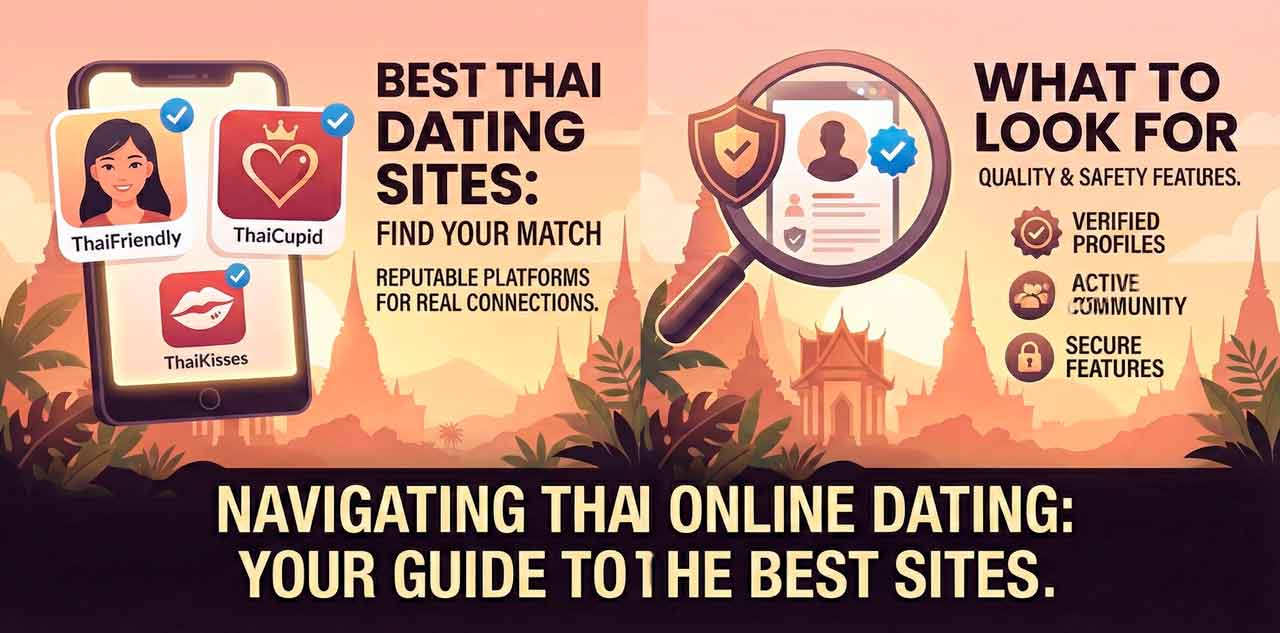
The single most effective step you can take to ensure a safer experience is choosing reputable, established Thai dating sites over unmoderated social media apps or obscure websites. When you use established platforms, you benefit from better moderation, verification tools, and a community focused on genuine connections rather than quick cons.
The Market Leaders in Thai Dating
For the highest volume of profiles and the best chances of success, start with these giants of the industry.
ThaiFriendly
The undisputed biggest dating site in Thailand. Its massive user base means you’ll find the widest variety of people. While its size means you still need to exercise caution, its popularity makes it the essential starting point for any search.
LoveMe.com (AFA) & Thai Dating
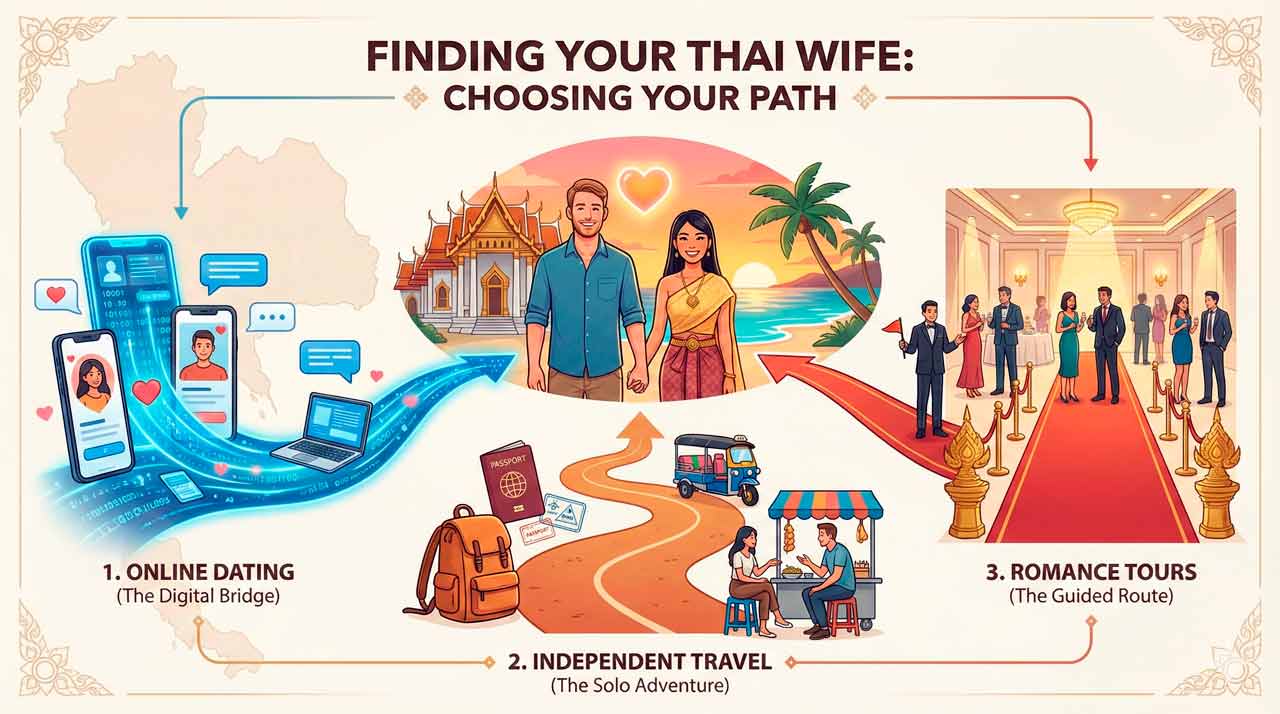
If your goal is serious marriage and you want extra layers of security, these sites are ideal. They offer in-person vetted profiles and even organize “Romance Tours,” providing a highly structured, safe way to meet women face-to-face.
Modern & Reliable Alternatives
These sites offer great features, active user bases, and a focus on genuine relationships.
- ThaiMatch: A modern, fast-growing platform popular with younger singles, offering a smooth user experience.
- ThaiKisses: Known for attracting women seriously interested in long-term relationships with Western men.
- ThaiFlirting: Another established and reliable option with a large database of real users.
Broadening Your Search Safely (Asia & Philippines)
Many men broaden their search beyond Thailand to increase their chances of finding the perfect match. The Philippines is another top destination due to cultural compatibility and high English proficiency.
- Pan-Asian: Asian Dating and AsianKisses are trusted sites covering the whole region.
- Philippines: Christian Filipina is the gold standard for serious, faith-based relationships. Other popular options include FilipinoKisses, FilipinaLoves, and PinaLove.
Understanding the Threat – Scams on Thai Dating Sites
Even on the best Thai dating sites, bad actors exist. Romance scammers are creative, but most fall into recognizable patterns. Being aware of these tactics is your second line of defense.
The “Emergency” Scam
This is the most frequent tactic. After building rapport, the scammer invents a sudden crisis requiring urgent funds. The amounts often start small and escalate.
- A sick family member (mother, child, or the infamous “sick buffalo” in rural contexts) needing hospital treatment.
- An unexpected accident requiring immediate payment.
- A phone or laptop breaking, threatening to cut off communication unless you help buy a new one.
The “Visit Me / Travel” Scam
The scammer expresses a strong desire to visit you but claims they lack funds for flights, visas, or “show money” for immigration. They may produce fake documents. Once you send money, they disappear or invent reasons why they still can’t travel (requiring yet more funds).
The “Investment” Scam
After gaining your trust, the scammer proposes a lucrative business opportunity in Thailand (e.g., crypto, gold, land) that requires your investment. These are invariably fake, designed solely to steal your capital.
The Detective’s Toolkit – Spotting Red Flags
Identifying warning signs early on Thai dating sites can save you from significant financial and emotional pain. Trust your instincts, but look out for these specific red flags:
🖼️ Profile Red Flags
- Photos Too Perfect: Uses professional model shots, glamour photos, or overly sexualized images. Always run a reverse image search.
- Vague Details: Profile information is sparse, generic, or highly inconsistent.
💬 Communication Flags
- Love Bombing: Professing deep love or calling you “husband” within days.
- Refusing Video Calls: Consistent excuses suggest they don’t match their photos.
- Pressure to Leave the Site: Urging you to switch immediately to WhatsApp so they can’t be monitored.
🚩 Behavioral Flags
- Timed Emergencies: A pattern of crises conveniently arising exactly when they think you have funds available (like payday).
- Never Able to Meet: If they claim to be local, they have constant, elaborate excuses for why they can’t meet up.
The Golden Rules of Prevention
You can significantly reduce your risk by adopting safe practices. Sticking to reputable Thai dating sites is step one; step two is strictly following these golden rules.

The Absolute Golden Rules
- NEVER Send Money: This is the most important rule. No matter the sob story, do not send money, gift cards, or crypto to someone you haven’t met in person and established a real relationship with. Scammers ask for money; genuine women almost never will.
- Video Chat Early and Often: Insist on regular video calls. It is the best way to confirm the person matches their photos and to gauge their personality in real-time. If they consistently avoid it, consider it a deal-breaker.
- Trust Your Intuition: If things are moving too fast, declarations of love come too soon, or something just feels “off,” listen to that feeling. Don’t let loneliness override your common sense. Real relationships take time to build.
By choosing the right environment and staying vigilant, you can safely navigate the online dating world and find the genuine connection you are looking for.
Ready to Start Safely in Thailand?
Begin your search on platforms known for their large user bases and security features.
What to Do If You Suspect a Scam
Realizing you might be involved in a scam can be devastating. Take these steps immediately:
TB's Expert Posts:




- Stop All Contact: Block them on the dating site, messaging apps, and social media immediately. Do not engage further, even if they plead or threaten.
- DO NOT Send More Money: If you’ve already sent funds, cut your losses. Never send “recovery fees” or more money to try and fix the situation.
- Report the Profile: Report the user to the dating site administrators so they can be removed to protect others.
- Contact Your Bank: If you shared financial details, contact your bank immediately. Recovery of sent funds is rare, but reporting it is essential.
Thai Dating Sites & Online Safety FAQ
Isn’t supporting family important in Thai culture? How do I tell genuine support from a scam?
Genuine family support within an established, real-world relationship is different from urgent, escalating demands for money from someone online you’ve never met. Scammers focus almost exclusively on getting money quickly using pressure tactics. In a real relationship, financial discussions happen after significant trust is built, usually after meeting in person.
She says she’s too shy for video calls or her internet is bad. Could this be true?
While a single instance might be real, consistent refusal over weeks is a massive red flag. Genuine people seeking a relationship on Thai dating sites understand the need for verification. Bad internet exists, but short video calls are usually possible occasionally. Persistent avoidance strongly suggests deception.
Do reputable agencies like AFA guarantee a scam-free experience?
No agency can offer a 100% guarantee. However, reputable agencies invest heavily in screening profiles and staff, which significantly reduces risk compared to unmoderated free sites. Personal vigilance remains essential regardless of the platform you use.